Pansexual
What does pansexual mean? Pansexuality describes a person who can feel romantic, emotional, or physical attraction to others regardless of their gender identity. It is one of the most searched identity terms today, yet it is often confused with bisexuality, which makes a clear and accurate explanation more important than ever.
In this essential guide, you will learn the pansexual definition, how it differs from similar orientations, and what common myths and signs to know. Whether you are exploring your own identity, supporting a friend, or simply curious, this guide gives you simple, respectful, and reliable answers in one place.
The Pansexual Definition
The pansexual definition is simple: attraction to people regardless of their gender. Here are the core points behind the term.
- Pansexual describes someone who can feel romantic, emotional, or physical attraction to people of any gender identity, including men, women, nonbinary, and genderfluid people.
- The word comes from the Greek prefix “pan,” meaning all, which reflects the idea that gender is not a limiting factor in attraction.
- Many pansexual people say they are drawn to personality, connection, and chemistry first, while a partner’s gender plays little or no role.
- Pansexuality is a sexual and romantic orientation, not a phase, a trend, or a choice that someone makes just for attention.
- Each person experiences the label differently, so the best definition is always the one a pansexual person gives for themselves.
- Pansexuality has been discussed more openly in recent years, which has helped many people find the language they needed to describe themselves.
Understanding Pansexual Attraction
Understanding pansexual attraction means looking beyond labels and focusing on how connection actually develops between people.
- Pansexual attraction can be romantic, emotional, physical, or a mix of all three, and the balance differs from one person to another.
- Being attracted to people of any gender does not mean being attracted to everyone, since pansexual people still have personal tastes and boundaries.
- Attraction may grow slowly through friendship and trust, or appear instantly, just as it does for people of any other orientation.
- Some pansexual people describe gender as simply not being the main thing they notice or care about when they feel a real spark.
- Pansexual attraction also includes people whose gender is outside the traditional male and female categories, such as nonbinary, agender, and transgender individuals.
What Are the Signs of Being Pansexual?
There is no official test, but these common signs may help you reflect on whether pansexual describes your feelings.
- You notice that your attraction to people has never really depended on whether they are men, women, nonbinary, or somewhere in between.
- You feel drawn to someone’s humor, kindness, and energy, and their gender identity feels like a small detail rather than a deciding factor.
- Labels like gay, straight, or bisexual never felt like a perfect fit, while pansexual immediately felt accurate, comfortable, and even a bit like relief.
- You can picture yourself building a romantic connection with people across the whole gender spectrum without feeling any need to explain or justify it.
- Remember that signs are only guides, and you are free to take your time, explore, and choose the label that feels right for you.
- Questioning is normal, and many people spend months or years exploring before they choose a label, so there is no pressure to decide quickly.
Pansexual vs. Bisexual: What’s the Difference?
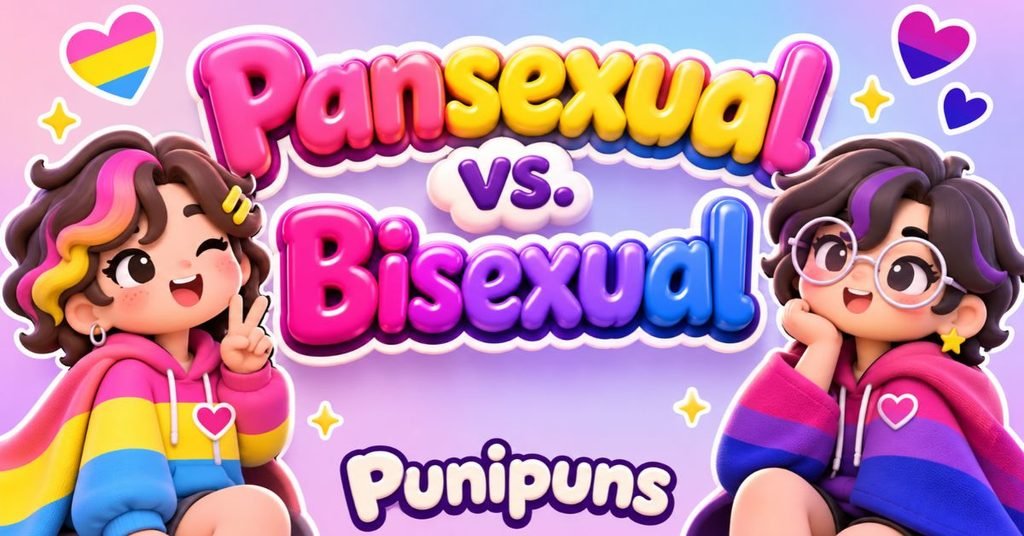
Pansexual vs. bisexual is one of the most common questions online, and the two identities overlap more than many people realize.
- Bisexual generally means attraction to more than one gender, while pansexual means attraction to people regardless of gender, so the definitions are close but not identical.
- Some pansexual people say gender does not affect their attraction, while many bisexual people say gender can matter even though they like more than one.
- Many bisexual people define bisexuality as including attraction to nonbinary and other genders, so the idea that bisexual means only two genders is a myth.
- The two identities are valid and can overlap, and some people use both labels together depending on the situation and the audience they are speaking to.
- Neither label is better or more inclusive, and the right choice is simply the one that best describes your own experience of attraction.
- Because definitions vary between communities, the most respectful habit is to listen to how each person describes their own identity before assuming anything.
Pansexuality Compared With Other Sexual Orientations
Comparing pansexuality with other sexual orientations makes it easier to see where each identity fits and why language keeps evolving.
- Heterosexual people are attracted to a different gender, and gay or lesbian people are attracted to the same gender, while pansexual people are attracted regardless of gender.
- Asexual people experience little or no sexual attraction, which is a separate experience from pansexuality, although someone can be both asexual and panromantic.
- Queer is a broad umbrella term some people prefer, and a pansexual person may also call themselves queer to describe their identity in a simple way.
- Fluid orientations can shift over time, while pansexuality can remain steady for many people, and both experiences are natural parts of human diversity.
- Comparing identities should never become a competition, because every orientation deserves the same respect, understanding, and space to be explained by the people who live it.
Common Misconceptions About Pansexuality
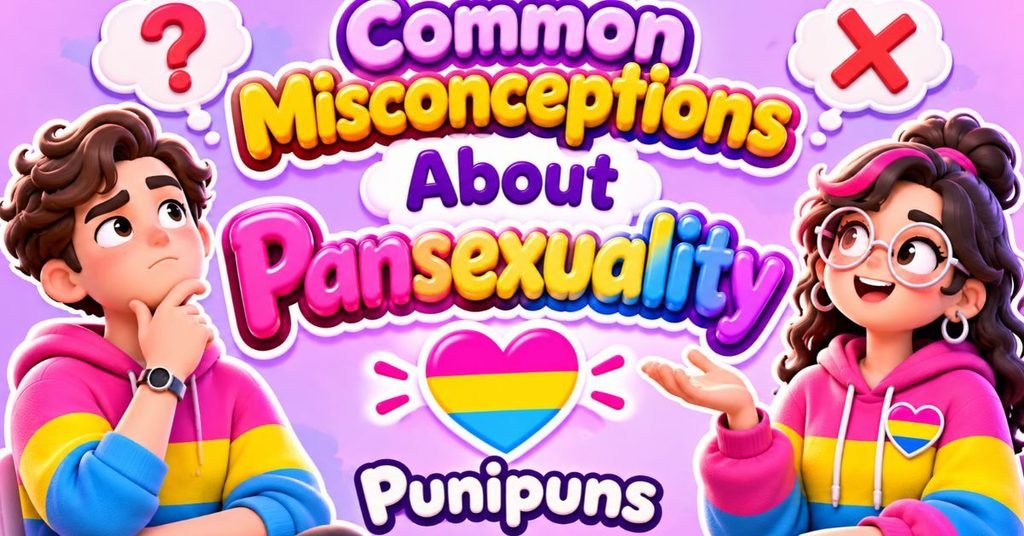
Misconceptions about pansexuality can make people feel unseen, so clearing up the most common ones is a helpful first step.
- Pansexual people are not attracted to everything, including objects or animals, because the term only refers to people of every gender identity.
- Pansexuality is not just a trend, since the experience behind it has existed for generations, even before the word became widely known.
- Pansexual people are not confused or undecided, and many describe the label as the clearest explanation they have ever found for their feelings.
- Being pansexual does not mean someone is automatically unfaithful or has more partners, because commitment depends on character rather than on orientation.
- Pansexual people do not need to prove their identity to anyone, and nobody should demand explanations or evidence before accepting what they say.
What It’s Like to Date as a Pansexual Person
Dating as a pansexual person can feel exciting and sometimes complicated, depending on the people and places around you.
- Dating as a pansexual person means being open to connecting with different people, so the focus often stays on shared values, humor, and emotional compatibility.
- Many pansexual people feel relief when a partner understands the label immediately, without needing a long explanation or constant reassurance.
- Some face awkward questions or stereotypes while dating, which is why clear and calm communication about identity can make early conversations much easier.
- Choosing when to share your orientation is personal, and you can reveal it on a first date, later on, or whenever you feel comfortable.
- Healthy dating still depends on respect, honesty, and consent, and a good partner will treat pansexual identity as a normal part of who you are.
Pansexuality and Relationships
Pansexuality and relationships go together just as naturally as any other orientation, built on trust, communication, and care.
- A pansexual person can be in a relationship with a partner of any gender, and that relationship is valid whether it looks straight or queer from the outside.
- Orientation does not change in a relationship, so a pansexual person remains pansexual whether they are single, dating, married, or partnered with someone of any gender.
- Honest communication helps partners understand each other, especially when assumptions or outside comments make the pansexual partner feel erased or misunderstood.
- Jealousy based on stereotypes is unfair, because attraction to many genders does not reduce loyalty, commitment, or the capacity to love one person deeply.
- Support from a partner, including defending your identity and respecting your boundaries, helps a relationship feel safe, stable, and truly affirming.
Pansexual vs. Omnisexual and Polysexual
Pansexual vs. omnisexual and polysexual confuses many readers, so these simple definitions show how each term describes attraction in its own way.
- Omnisexual describes attraction to all genders, but unlike many pansexual people, omnisexual people often say gender does play some role in how attraction feels.
- Pansexual people more commonly describe attraction as gender-blind, meaning that gender plays little or no part in who they find attractive.
- Polysexual describes attraction to many, but not necessarily all, genders, which makes it a useful label for people who feel somewhere in between.
- These terms overlap heavily, and individual people may define them differently, so asking someone how they use their label is always the best approach.
- Having several labels is not about complexity for its own sake; it gives people more precise words to describe their own experiences accurately.
Pansexuality, Gender, Identity, and Attraction
Pansexuality, gender, identity, and attraction are linked, yet each one is separate, and understanding the differences prevents common mix-ups.
- Gender identity is who you are inside, while sexual orientation is who you are attracted to, so the two ideas should never be treated as the same thing.
- A pansexual person can be a man, a woman, nonbinary, or any other gender, because orientation and gender identity exist independently of each other.
- Pansexuality is often described as inclusive of transgender and nonbinary people, though attraction to trans people is also part of many other orientations.
- Attraction can include emotional, romantic, physical, and aesthetic elements, and pansexual people may experience each one differently depending on the person involved.
- Respecting pronouns and identities is essential, and it shows that you value the person for who they are rather than for a label.
Coming Out as Pansexual
Coming out as pansexual is a personal journey, and there is no right timeline, script, or order that you have to follow.
- Start by being comfortable with the label yourself, because understanding your own feelings makes later conversations feel calmer, clearer, and much less stressful.
- Choose a safe person first, such as a trusted friend, sibling, or counselor, who is likely to respond with kindness and support.
- Prepare a short explanation, like “I am attracted to people regardless of gender,” since one simple sentence can answer most early questions quickly.
- Expect mixed reactions, and remember that confusion from others usually reflects a lack of information rather than a judgment of who you are.
- Your safety comes first, so you can wait, choose who you tell, and keep your identity private when the situation does not feel secure.
- Celebrate afterward in whatever way feels good, because sharing something this personal takes courage, no matter how the conversation turns out.
Common Myths and Misconceptions About Pansexuality
Also Read:299+ Amish Puns That Are Plainly Hilarious!
Beyond the basics, several lingering myths and misconceptions about pansexuality still circulate, and they deserve clear, fact-based answers.
- Myth: pansexual is the same as being greedy or indecisive. Fact: it simply describes a pattern of attraction that does not depend on gender.
- Myth: pansexual people have to be attracted to every person they meet. Fact: they have preferences, standards, and boundaries like anyone else.
- Myth: pansexuality is only for young people. Fact: people of every age identify as pansexual, and many find the word later in life.
- Myth: pansexual people cannot be monogamous. Fact: orientation does not decide relationship style, so many choose monogamy, while others choose different structures.
- Myth: pansexual people are secretly gay or straight. Fact: the identity is real, complete, and valid without needing to be explained away.
Can Pansexual People Have Romantic Relationships?
Yes, pansexual people can have romantic relationships, and these points show how love works the same way for them as for everyone else.
- Pansexual people form loving, committed relationships with partners of every gender, and many enjoy long marriages, partnerships, and families just like anyone else.
- Romantic attraction and sexual attraction can differ, and some pansexual people are also panromantic, meaning they feel romantic attraction toward people of all genders.
- Relationship success depends on communication, trust, and shared goals, not on whether someone is pansexual, straight, gay, or bisexual.
- Some pansexual people prefer monogamy, while others choose open or polyamorous relationships, and each choice should be respected as a personal decision.
- Finding a supportive partner who respects your identity makes a major difference in how safe, valued, and understood you feel together.
Pansexuality and the LGBTQ+ Community
Pansexuality and the LGBTQ+ community are closely connected, and visibility has grown steadily as more people share their stories.
- Pansexual people are part of the LGBTQ+ community, where the P can stand for pansexual and the plus represents many identities beyond the main letters.
- The pansexual pride flag has pink, yellow, and blue stripes, representing attraction to women, nonbinary people, and men, and it is displayed proudly at many events.
- Pansexual Visibility Day takes place every year on December 8, giving people a chance to raise awareness and celebrate the community together.
- Communities, support groups, and online spaces give pansexual people a place to share experiences, ask questions, and feel less alone.
- Allies strengthen the community by listening, learning, and challenging stereotypes whenever they hear them, whether in person or online.
How Can You Support Someone Who Is Pansexual?
Supporting someone who is pansexual starts with listening, respect, and a willingness to learn, and these simple actions make a real difference.
- Thank them for trusting you, and respond warmly, because the first reaction often matters more than any perfect words you might say.
- Use the words they use for themselves, including labels and pronouns, and avoid asking them to justify, prove, or defend their identity.
- Keep their identity private unless they say otherwise, since sharing it without permission can put them in an unsafe or uncomfortable position.
- Challenge jokes and stereotypes about pansexual people, which shows that you care and helps create a safer space for everyone around you.
- Keep learning from reliable sources, and ask respectful questions only when they are open to answering, rather than relying on them for every lesson.
Famous Pansexual People and Celebrities
Many well-known public figures have spoken openly about being pansexual, helping the identity become more visible and better understood.
- Janelle Monáe, the singer and actor, has spoken publicly about identifying as pansexual and has inspired many fans through music and honest interviews.
- Brendon Urie, the lead singer of Panic! at the Disco, has described himself as pansexual and has talked about attraction beyond gender.
- Miley Cyrus has publicly described herself as pansexual, and her openness about fluid attraction has sparked wide conversations about orientation.
- Celebrity visibility helps normalize the label, but remember that identities can change, and every person decides how they want to describe themselves.
- Representation matters because seeing public figures talk openly about pansexuality helps many people feel less isolated and more confident about their own feelings.
Pansexuality in Everyday Life
Pansexuality in everyday life looks ordinary, because pansexual people go to work, raise families, and enjoy hobbies like everyone else.
- A pansexual person may be your coworker, neighbor, classmate, or friend, and their orientation does not change how they show up each day.
- Many pansexual people live openly in some spaces and privately in others, depending on safety, family, culture, and the comfort of the setting.
- Small actions, such as avoiding assumptions about someone’s partner, make everyday conversations kinder and help pansexual people feel more welcome and included.
- Inclusive language at school, work, and online, like using the word partner, helps everyone feel seen without needing to explain themselves.
- Being pansexual is only one part of a person, alongside their interests, values, goals, and personality, and it should never be their only label.
FAQ About Pansexuality
What does pansexual mean?
Pansexual means being attracted to people regardless of their gender identity.
Is pansexual the same as bisexual?
No, though they overlap, and some people use both labels.
Can a pansexual person be monogamous?
Yes, because orientation does not decide relationship style.
Is pansexuality a phase?
No, it is a valid and lasting orientation for many people.
What is the pansexual flag?
It has pink, yellow, and blue stripes for different attractions.
When is Pansexual Visibility Day?
It is observed every year on December 8.
Final Thoughts
Knowing the pansexual meaning helps replace confusion with understanding and respect. Pansexuality is about attraction that does not depend on gender, and it is just as real, valid, and ordinary as any other orientation.
Whether you are exploring your identity or supporting someone you love, listen first and use the words people choose. Keep learning from trusted sources, challenge myths kindly, and remember that every person deserves to be seen.

1 thought on “What Does Pansexual Mean? The Essential Guide”